Mapping Renewable Energy Resources Across Regions
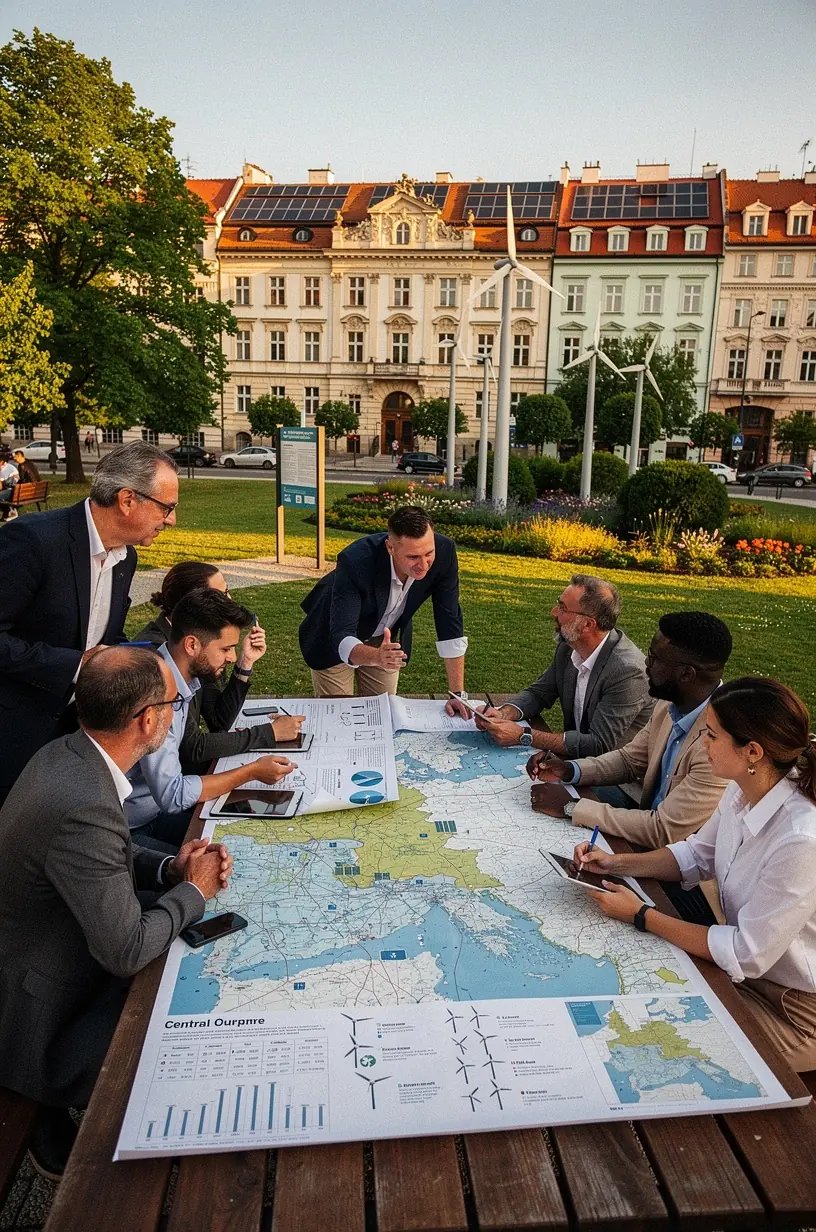
In the transition to sustainable energy systems, understanding the geographic distribution of renewable energy resources is critical. This article explores the significance of mapping these resources, focusing on Central Europe, and provides insights into how urban planners and policymakers can utilize this information for effective strategy development.
Understanding the Importance of Mapping
Mapping renewable energy resources is essential for several reasons. It allows urban planners and engineers to identify potential energy generation sites and assess the suitability of specific locations for various renewable technologies. According to research conducted by the European Commission, regions that employ comprehensive mapping techniques can typically enhance their energy efficiency and sustainability goals.
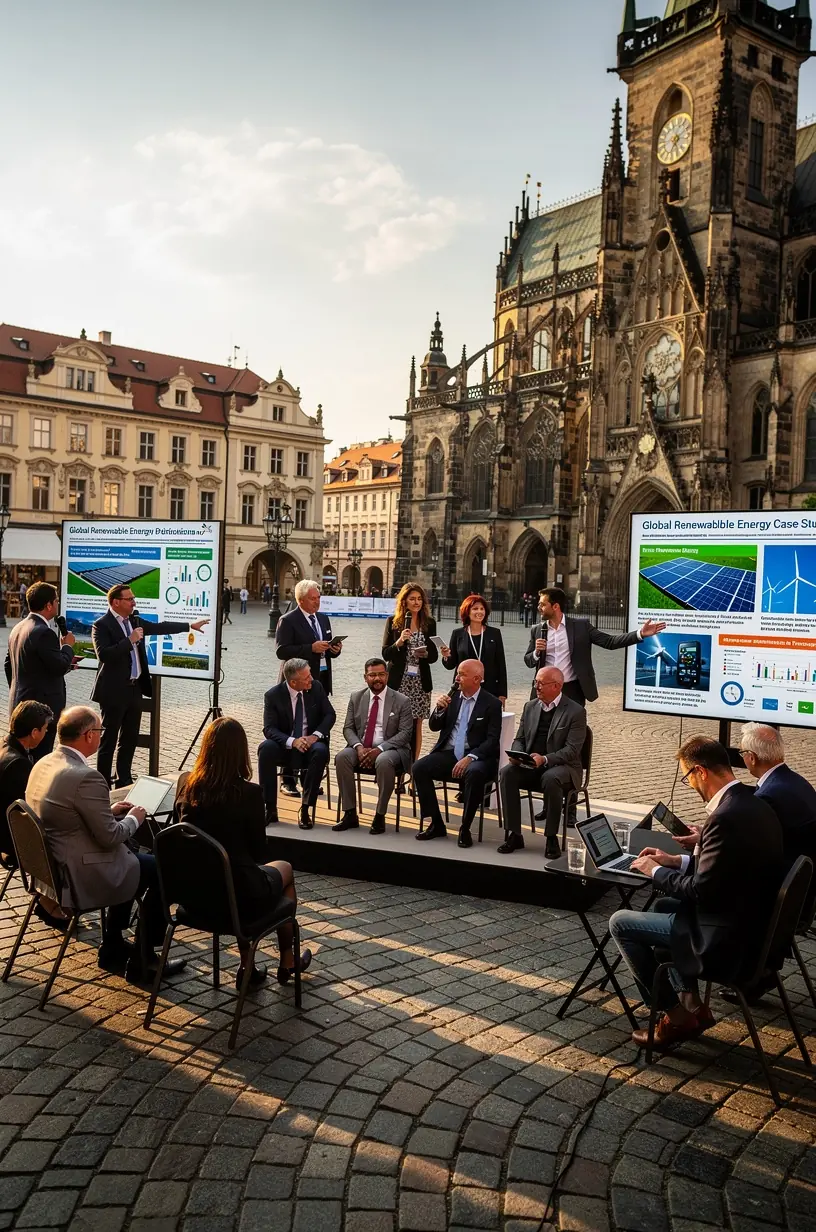
"Effective resource mapping is a cornerstone for planning successful renewable energy initiatives," notes Dr. Anna Becker, a leading environmental engineer.
Common Methods for Mapping Renewable Energy Resources
There are several established methods for mapping renewable energy resources:
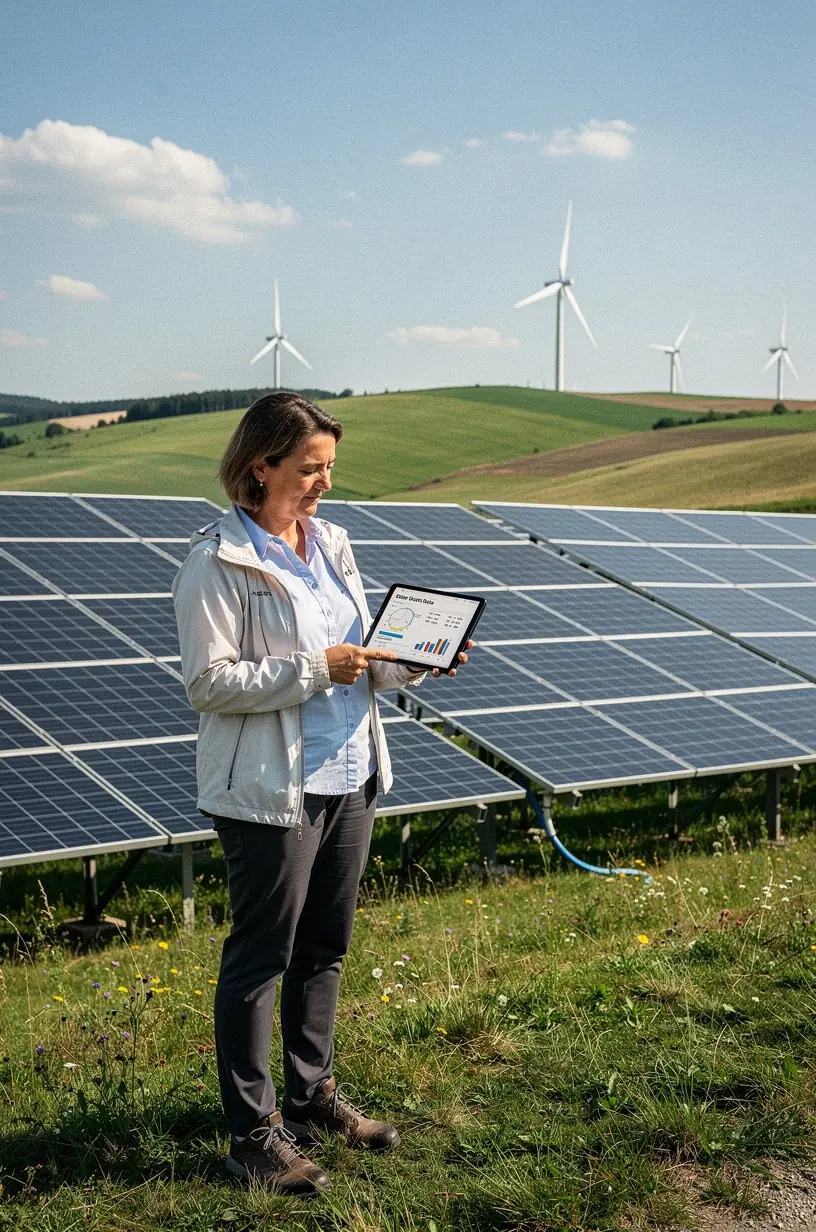
- Geographic Information Systems (GIS): GIS technology is widely used to analyze spatial data. It helps in visualizing the distribution of resources such as solar irradiance, wind speed, and biomass availability.
- Remote Sensing: This method utilizes satellite images and aerial photography to assess land use patterns, vegetation cover, and topographical features that may affect energy resource viability.
- Community Surveys: Engaging with local communities can provide invaluable insights into resource availability and potential challenges in deploying renewable technologies.
Case Studies in Central Europe
Several regions in Central Europe have successfully implemented resource mapping to inform their renewable energy strategies:
- Germany: The German Renewable Energy Sources Act incentivizes the mapping of solar and wind resources, leading to optimized site selection for energy projects.
- Austria: Austria employs a multi-faceted approach, integrating GIS and community input to enhance its biomass energy programs, resulting in increased local engagement and resource utilization.
- Poland: Poland has focused on wind energy mapping, which has significantly contributed to its energy transition efforts, aligning with EU sustainability targets.
Challenges and Considerations
While mapping renewable energy resources is invaluable, there are several challenges to consider:
- Data Availability: Access to reliable and up-to-date data is crucial. In many cases, data gaps can hinder effective resource mapping.
- Technical Expertise: Implementing sophisticated mapping techniques often requires specialized knowledge and skills, which may not be readily available in all regions.
- Community Involvement: Engaging local stakeholders can be time-consuming but is essential for ensuring that mapping efforts reflect on-the-ground realities.
Conclusion
Mapping renewable energy resources is a fundamental step in advancing sustainable practices and energy efficiency in Central Europe. By leveraging advanced technologies and methodologies, urban planners, environmental engineers, and policymakers can make informed decisions that enhance regional energy strategies. With careful consideration of the associated challenges and a commitment to community engagement, resource mapping can significantly contribute to the successful implementation of renewable energy projects.