How Cities Can Transition to Renewable Energy
Transitioning to renewable energy is crucial for cities aiming to reduce their carbon footprint and enhance sustainability. This article explores various strategies urban planners and policymakers can adopt to facilitate this transition effectively.
Understanding the Current Energy Landscape
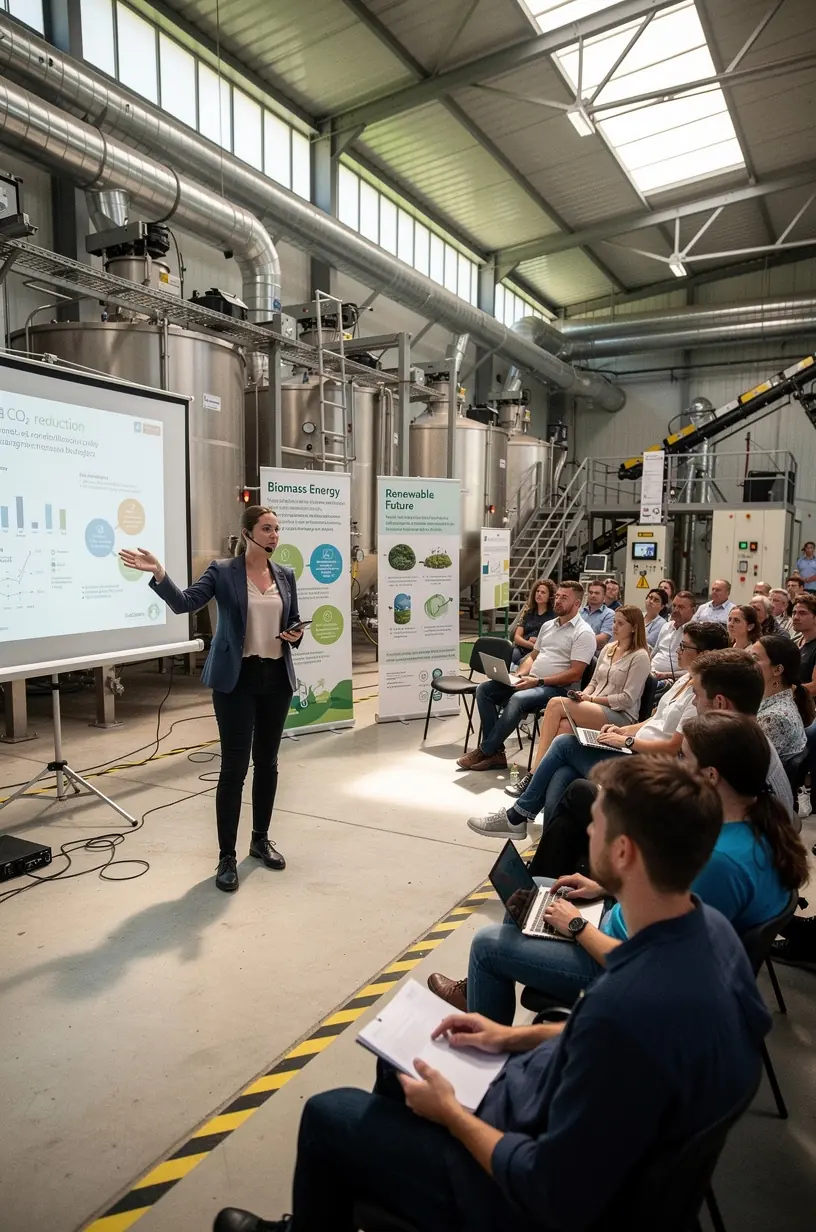
Many cities in Central Europe are currently reliant on fossil fuels for energy generation. However, research indicates that transitioning to renewable sources such as solar, wind, and biomass can significantly reduce greenhouse gas emissions and dependence on non-renewable resources. A comprehensive understanding of the local energy landscape is essential for developing a successful transition strategy.
"Cities play a pivotal role in achieving global climate goals, and transitioning to renewable energy is a necessary step." - Climate Policy Expert
Steps for Transitioning to Renewable Energy
- Conduct Comprehensive Assessments: Cities should evaluate their current energy consumption patterns and renewable energy potential. Studies show that understanding local resources can lead to more effective planning and implementation.
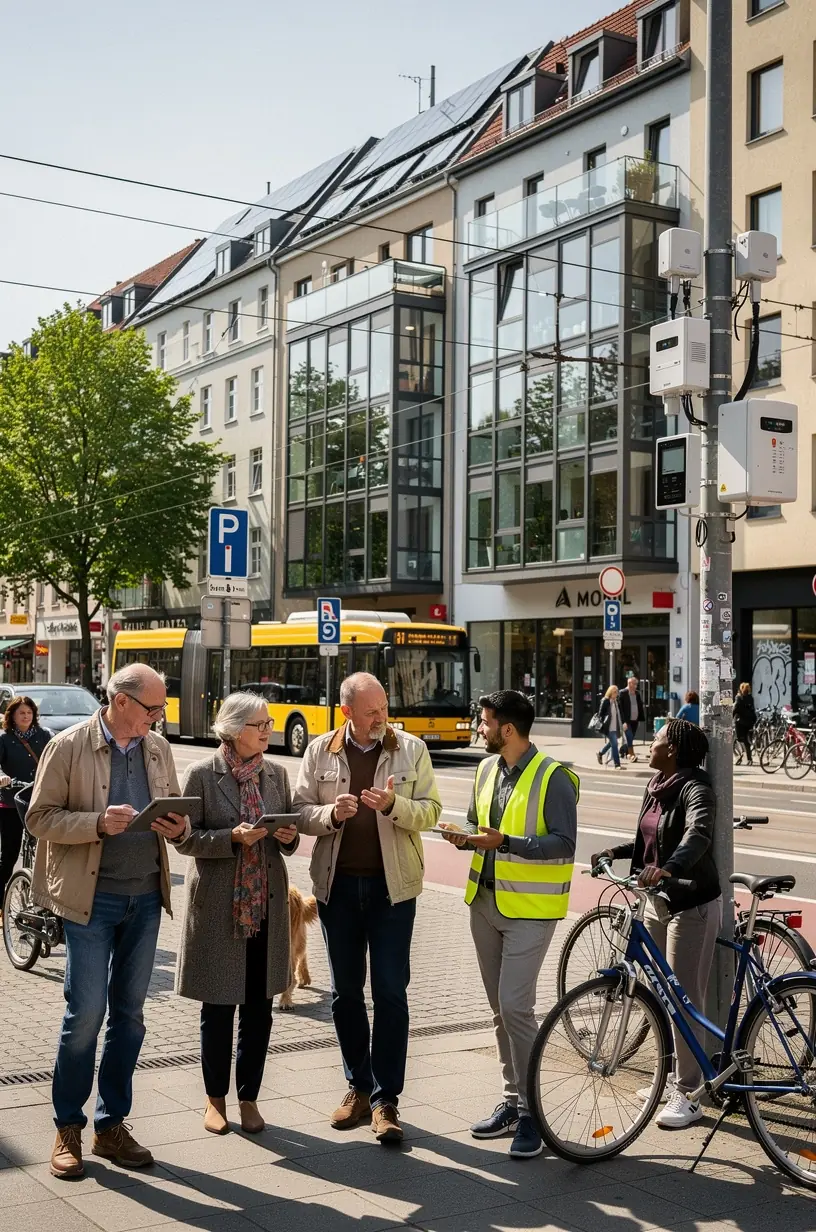
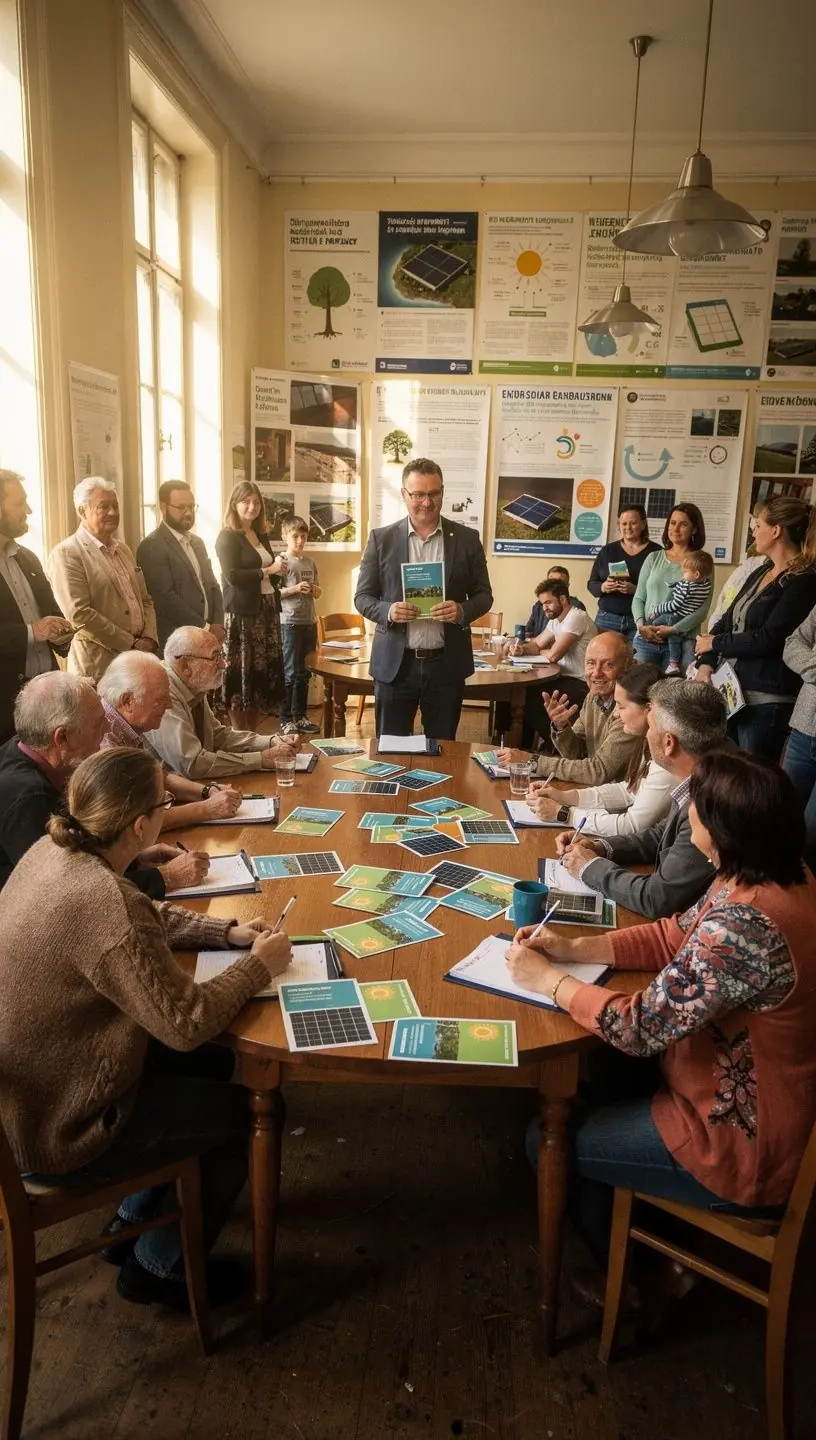
- Engage Stakeholders: Involving community members, businesses, and experts is crucial. Many users report that collaborative approaches foster greater acceptance and innovative ideas for integrating renewable energy solutions.
- Implement Pilot Projects: Launching small-scale pilot projects can provide valuable insights into the feasibility and effectiveness of renewable energy technologies. Experts recommend starting with localized initiatives to gauge community interest and operational challenges.
- Invest in Infrastructure: Transitioning to renewable energy often requires upgrading existing infrastructure. This includes improving grid capabilities to accommodate distributed energy sources. Such infrastructural investments should align with industry best practices to ensure reliability and resilience.
- Monitor and Adapt: Continuous evaluation of renewable energy initiatives is vital. This process requires dedication and must include feedback loops to adapt strategies based on what works and what doesn’t.
Challenges and Limitations
While the benefits of renewable energy are clear, the transition comes with its challenges. Implementation typically requires significant time and resources, and the complexity of existing energy systems may pose hurdles. It is essential to acknowledge that results may take time to materialize, often requiring a long-term commitment from local governments and stakeholders.
Conclusion
Transitioning to renewable energy is a multifaceted process that requires careful planning, stakeholder engagement, and ongoing assessment. By adopting a strategic approach, cities can successfully navigate the challenges and realize the benefits of a sustainable energy future. The journey may be complex, but the potential for enhanced resilience and environmental stewardship makes it worthwhile.