Integrating Wind Energy into Urban Planning
As cities in Central Europe strive for sustainability, integrating wind energy into urban planning becomes increasingly vital. This article explores how urban planners can effectively incorporate wind energy into their projects, illustrating the benefits and challenges involved.
Understanding Wind Energy
Wind energy harnesses the power of moving air to generate electricity. According to the Global Wind Energy Council, wind energy can provide a significant portion of our energy needs, with many regions reporting that wind installations often produce energy at lower costs compared to traditional fossil fuels. The principle behind wind energy utilization is relatively straightforward: turbines convert kinetic energy from the wind into electrical energy through a generator.

"Experts suggest that combining wind energy with urban planning can lead to more resilient energy systems, especially in metropolitan areas." - Energy Policy Review
Benefits of Integrating Wind Energy
Incorporating wind energy into urban planning presents several advantages:
- Reduced Carbon Footprint: Cities that utilize wind energy can significantly lower their greenhouse gas emissions, contributing to climate change mitigation efforts.
- Energy Independence: By investing in local wind energy sources, urban areas can reduce their reliance on imported fuels, enhancing energy security.
- Economic Opportunities: The development and maintenance of wind farms can create jobs in urban areas, supporting local economies.
Challenges to Consider
While the benefits are compelling, there are challenges that urban planners must address:
- Site Selection: Effective wind energy production requires careful site evaluation. Areas with consistent wind patterns are essential, which may not always align with urban locations.
- Community Acceptance: Local communities may have concerns about the visual impact and noise associated with wind turbines. Engaging stakeholders early in the planning process is crucial.
- Infrastructure Needs: Integrating wind energy into existing urban infrastructure often requires upgrades to electrical systems to handle new energy sources.
Best Practices for Urban Planners
To successfully integrate wind energy, urban planners can adopt several best practices:
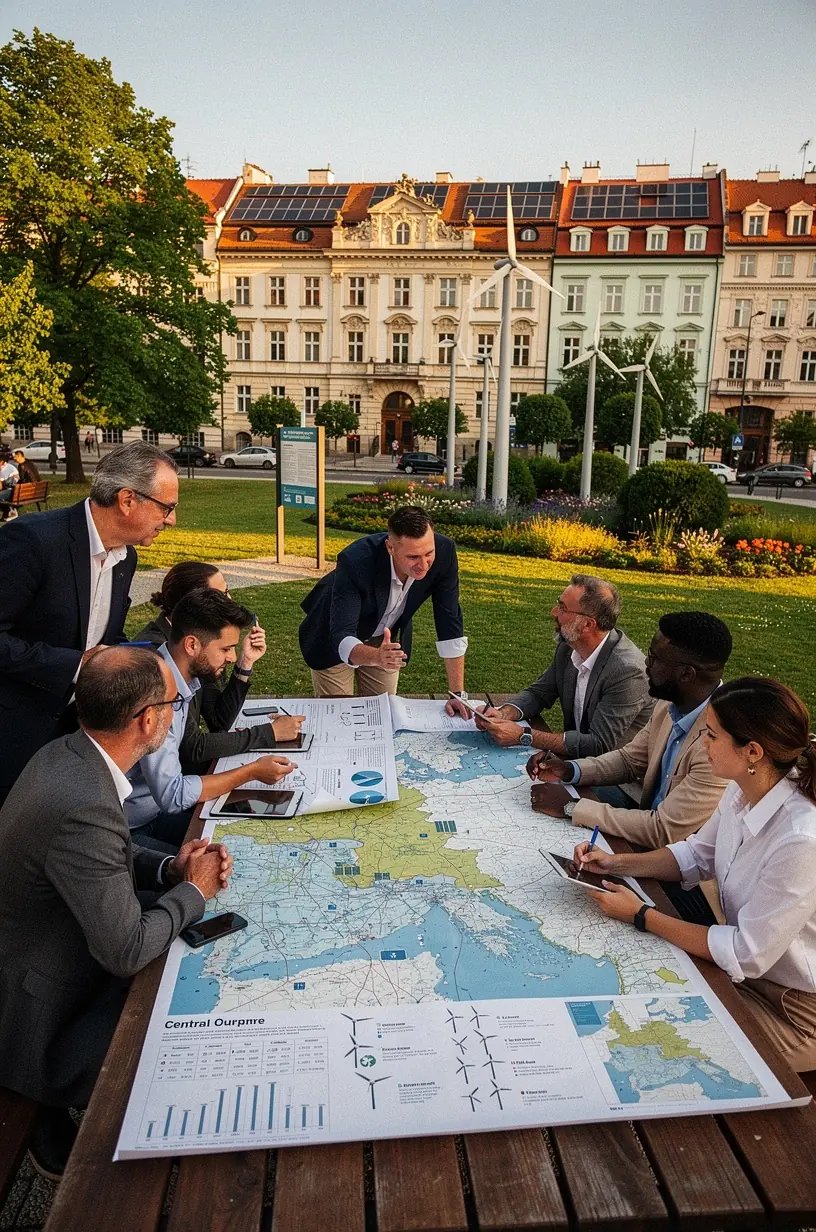
- Conduct Comprehensive Studies: Utilizing wind maps and conducting feasibility studies can help identify the best locations for wind installations.
- Engage with the Community: Holding public forums to discuss the benefits and challenges of wind energy can foster community support and address concerns.
- Collaborate with Experts: Partnering with energy consultants and renewable energy experts can provide valuable insights and technical support throughout the planning process.
Conclusion
Integrating wind energy into urban planning presents an effective pathway toward achieving sustainability in Central Europe. While challenges exist, following best practices and fostering community engagement can lead to successful implementation. Urban planners have the opportunity to shape resilient and sustainable cities for the future by prioritizing renewable energy solutions.