Collaborative Approaches to Urban Energy Efficiency
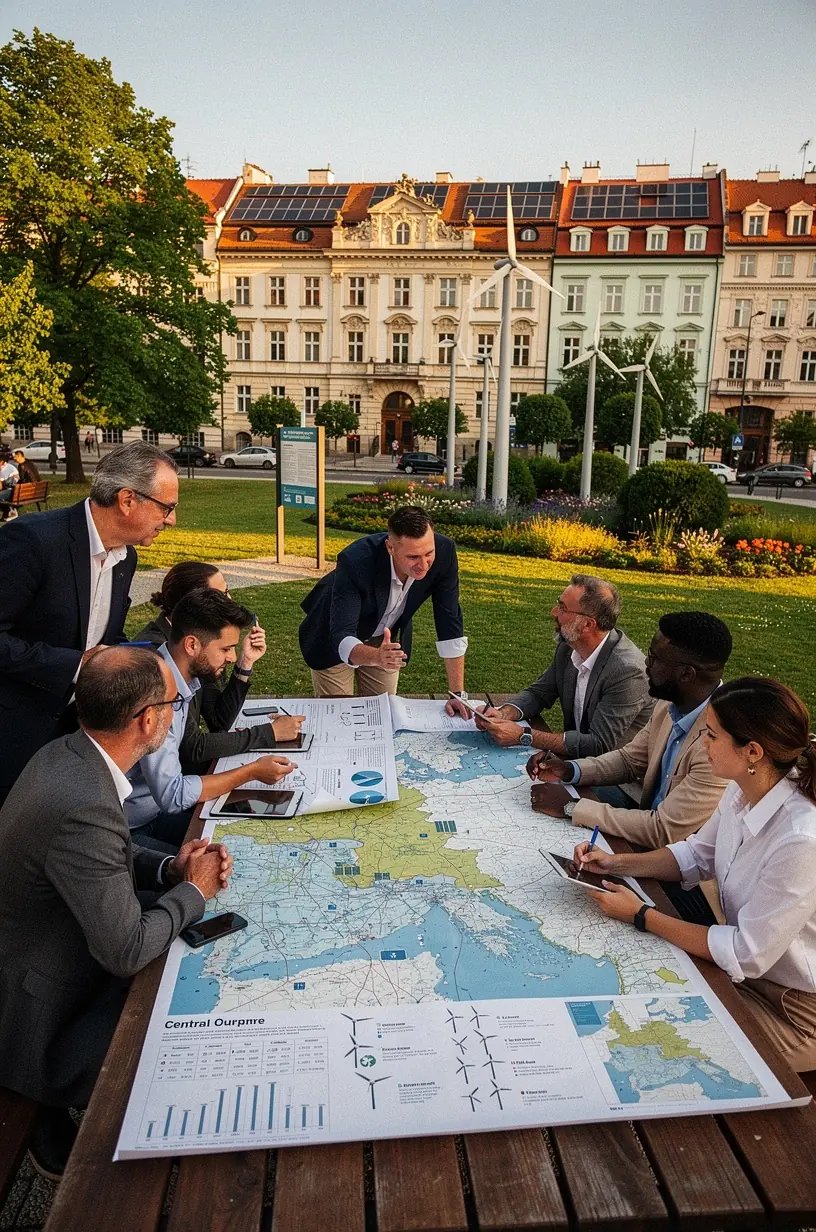
As urban centers across Central Europe grapple with the challenges of energy consumption and sustainability, collaborative approaches to energy efficiency are emerging as critical strategies. By engaging multiple stakeholders, including city planners, engineers, and the community, cities can significantly enhance their energy performance while promoting sustainable practices.
Understanding Collaborative Energy Efficiency
Collaborative energy efficiency refers to the collective efforts of various stakeholders to optimize energy usage within urban environments. According to research by the International Energy Agency, cities that implement collaborative strategies can achieve energy savings of up to 30% over conventional methods. This is often possible due to shared resources, knowledge, and technology, which help to overcome various barriers to energy efficiency.
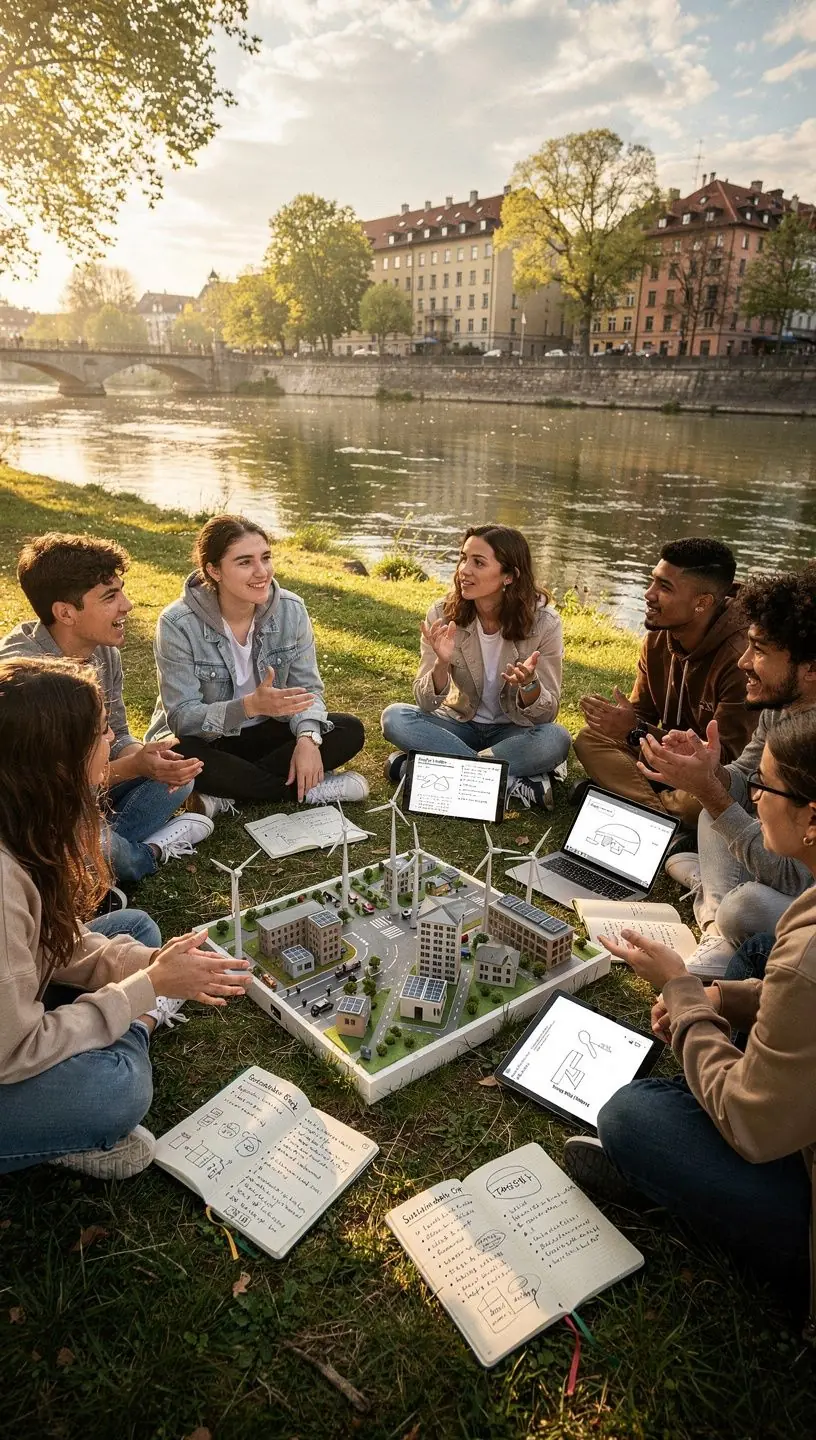
"Collaboration brings together different perspectives and expertise, leading to innovative solutions that can significantly boost energy efficiency." - Urban Energy Expert
Key Strategies for Collaboration
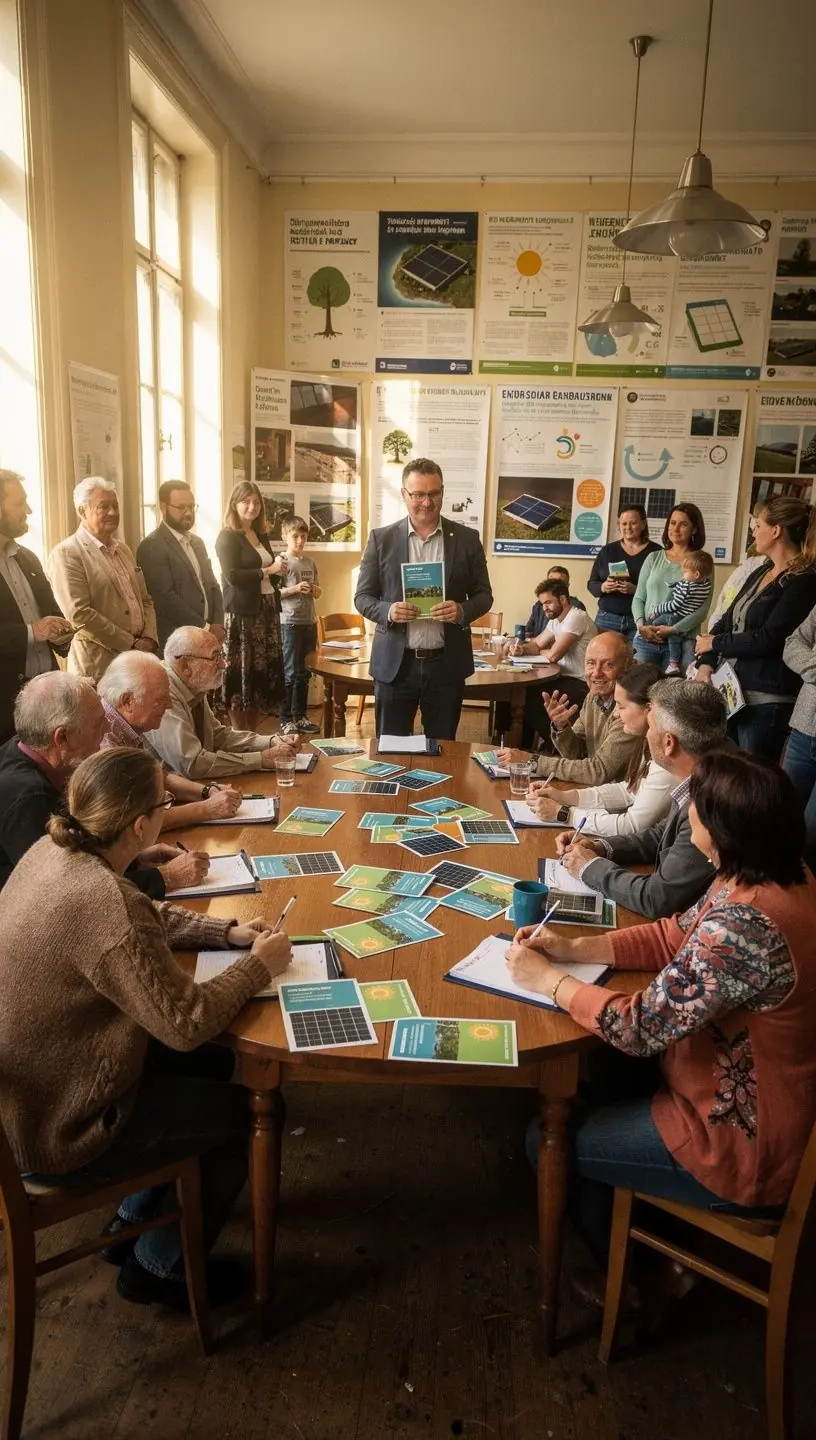
- Stakeholder Engagement: Involve local communities, businesses, and governmental entities early in the planning process to foster inclusiveness and gather diverse insights that shape effective energy policies.
- Shared Data Platforms: Establishing open access to energy consumption data allows stakeholders to analyze trends and identify opportunities for improvements, thereby promoting transparency and informed decision-making.
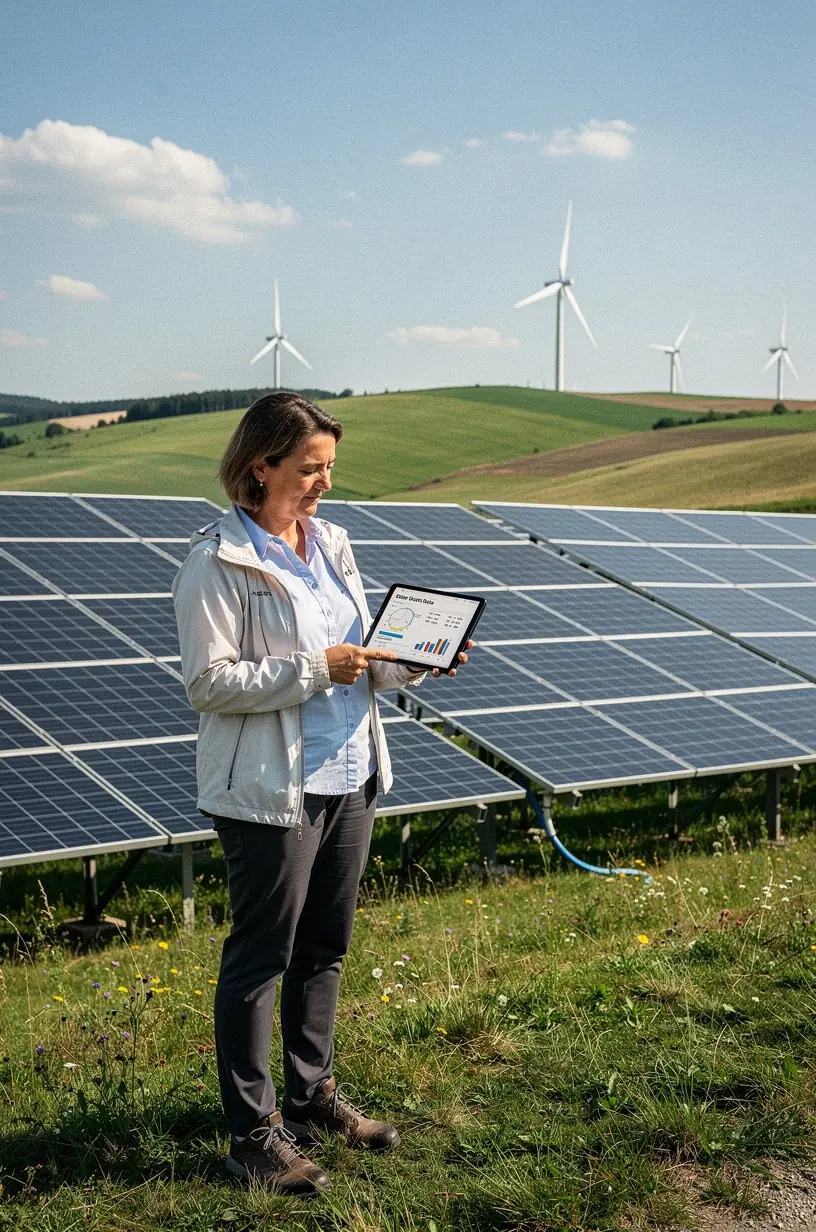
- Integrated Planning Approaches: Combining urban planning with energy strategies, often referred to as integrated resource planning, supports projects like district heating and renewable energy integration, which require cohesive efforts among various sectors.
Challenges and Considerations
While collaborative approaches can lead to significant improvements in energy efficiency, they are not without challenges. Implementing these strategies often requires substantial effort and time. Initiatives typically take several months to establish, with ongoing commitment from all involved parties. Moreover, success is contingent on clearly defined roles and responsibilities among stakeholders, which necessitates careful planning and communication.
Real-World Examples of Success
Several cities in Central Europe have successfully implemented collaborative energy efficiency programs. For example, Berlin's "Energy Transition" initiative is a partnership between the city government, local universities, and businesses aiming to reduce carbon emissions while enhancing energy efficiency. By sharing knowledge and resources, stakeholders have facilitated projects that align with the city’s sustainability goals.
Conclusion
Collaborative approaches to urban energy efficiency hold immense potential for cities looking to enhance sustainability and performance. By fostering engagement among stakeholders and leveraging shared resources, urban centers can create innovative solutions to complex energy challenges. As cities continue to evolve, embracing collaboration will be vital in shaping a more sustainable future.