Case Studies on Solar Energy Implementation in Central Europe
Solar energy has become an essential component of sustainable energy infrastructure in Central Europe. This article explores various case studies that showcase the practical implementation of solar energy projects, providing valuable insights for urban planners, environmental engineers, and policymakers.
Understanding Solar Energy Implementation
The integration of solar energy into urban settings typically involves multiple phases, including planning, installation, and maintenance. According to studies by the International Renewable Energy Agency (IRENA), solar energy can significantly reduce carbon emissions while promoting energy independence. This is crucial for Central European cities as they strive to meet climate goals.

"Renewable energy projects, particularly solar, are critical to achieving sustainability targets and enhancing urban livability." - Urban Energy Specialist
Key Case Studies
1. Prague's Solar Initiatives
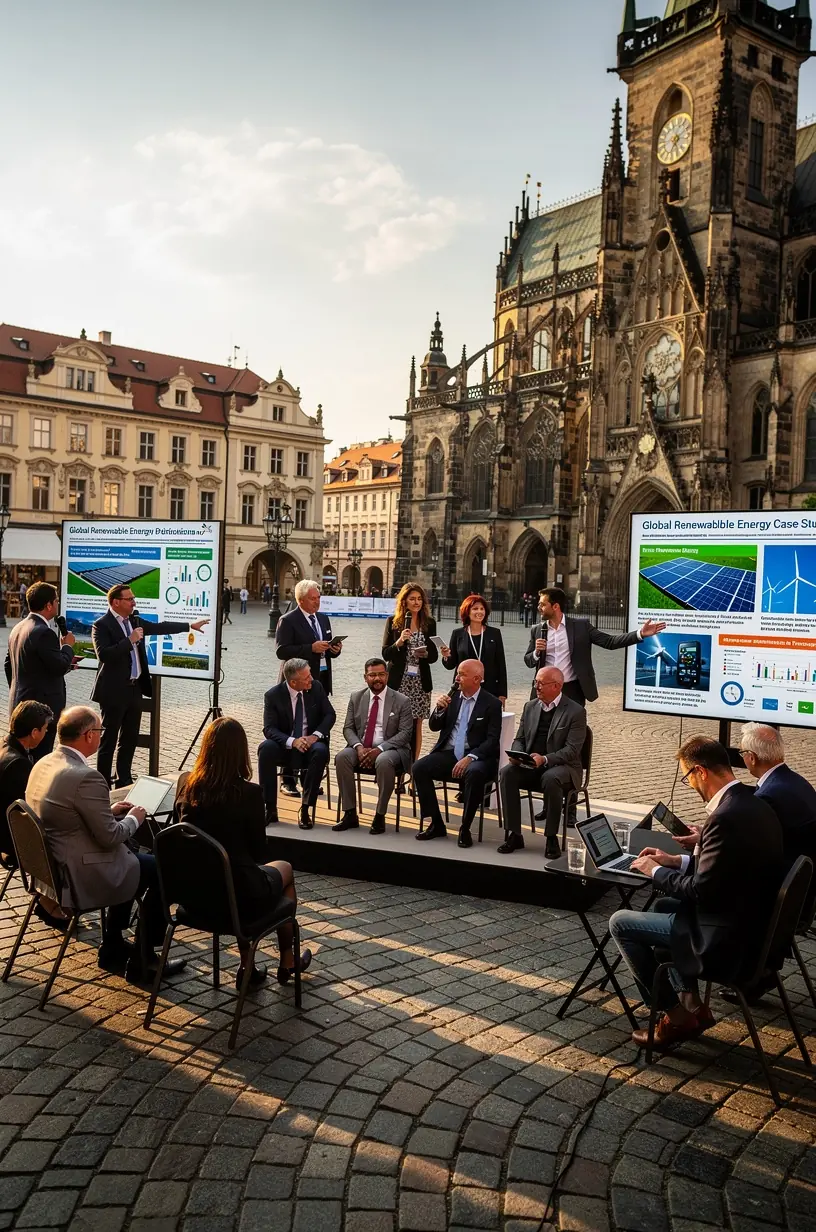
In Prague, various municipal buildings have adopted solar panels as part of a broader initiative to enhance energy efficiency. Research indicates that this phase of the project has resulted in an energy cost reduction of approximately 15-25%. The city is also looking to expand this initiative to residential areas, promoting community engagement in energy production.
2. Solar Roofs in Vienna
Vienna's approach to solar energy involves installing photovoltaic systems on rooftops across the city. A study by the Austrian Energy Agency found that these installations not only provide clean energy but also contribute to local job creation. However, the implementation requires careful planning and financial considerations, typically taking 6-12 months to complete.
3. Solar Farms in Hungary
In Hungary, large-scale solar farms have emerged as a viable alternative to fossil fuels. These farms often involve partnerships with private entities and local governments. Experts have noted that while these projects can be resource-intensive, they can effectively meet the energy needs of surrounding communities.
Challenges and Considerations
While the advantages of solar energy are clear, challenges exist. Factors such as initial costs, regulatory hurdles, and land availability can complicate implementation. It's essential for stakeholders to engage in comprehensive planning and community consultation to address these barriers effectively. According to a report by the European Commission, successful solar energy projects often involve input from various community sectors.
Conclusion
The case studies discussed illustrate the potential of solar energy as a sustainable solution for Central Europe. For urban planners, environmental engineers, and policymakers, these examples provide a roadmap for future initiatives. The key takeaway is that while there are challenges, careful planning and community engagement can lead to successful implementation of solar projects, contributing to a greener and more sustainable future.